


The Power of Personalization: Tailoring Experiences for Every Shopper
Ever notice how your favourite stores always seem to know what you want before you do. That’s no accident. It’s a little unnerving, but also kind of comforting.
Walking into a shop and being greeted by name, being shown new arrivals that fit your taste, and receiving reminders about that sale on the skirt you’ve been eyeing are almost never all features that tailor the experience to you. It seems like it might be as simple as a friendly “hello” or as complex as showing personalised content based on their preferences, but personalisation is a proven way to keep shoppers engaged. You know what I find interesting. Everyone wants personalisation, but sometimes it can feel a bit invasive when it’s too much.
In-store personalisation is usually welcomed because it doesn’t feel like someone is following you around asking questions - instead, it relies on knowing who you are and making recommendations based on that. Online, personalisation requires collecting information on the shopper’s likes and dislikes and showing them products they’re more likely to buy. Personalisation works best when it feels like a genuine connection between store and shopper, not just cold data mining.
Personalisation can be simple or complex - there are many options available for stores today thanks to technology. Shoppers can be greeted by name or shown products based on their previous purchases, which helps with curation and saves time spent scrolling through endless options. They can also see personalised content in their feeds based on algorithms or AI-powered quizzes that ask questions about style preferences to make recommendations. Today’s shoppers expect personalisation - they don’t want to waste time searching for what they need and will quickly abandon stores that don’t offer any form of personalisation for ones that do.
Personalised experiences help foster a sense of belonging, show customers that they are valued individuals (not just another number), create meaningful connections, increase engagement and boost sales. Stores should consider different types of personalisation at different points in the buyer journey so shoppers never lose interest or feel overwhelmed by irrelevant products.
Gamification: Turning Shopping into a Fun Experience

How long do you reckon it takes the average adult to buy a pair of winter boots. I can only guess, but what I do know for sure is it takes my child just 30 seconds to get through an entire round of Fruit Ninja. If only shopping could be that sort of fun.
Sort of. Well, it is now. Or at least, it seems that’s where we’re headed. This idea of bringing the best elements of gaming into digital shopping experiences is cropping up all over the place - and clearly, there’s something to it.
What started with simple badges and points for frequent shoppers has become so much more today with complex rewards and loyalty programmes, social media games and virtual competitions that have the whole family involved. And of course, there are AR filters and virtually try-on experiences that have people swearing off retail therapy for good.
I realise that this can be rather confusing at times - what game to play, where and when. But there’s a bigger conversation about how online shopping websites should keep this simple enough for people to get involved and not overwhelmed or even bored. There’s probably a sweet spot there somewhere - just the right amount of competitive spirit and entertainment value to make shopping entertaining but also have buyers’ attention long enough to get them thinking about their purchases. It seems like of course, gamification isn’t suitable for every brand or retailer but i think if you’re trying to stand out from your competition, creating memorable interactive moments is definitely the way forward.
Virtual Try-Ons: Enhancing Decision-Making with Technology
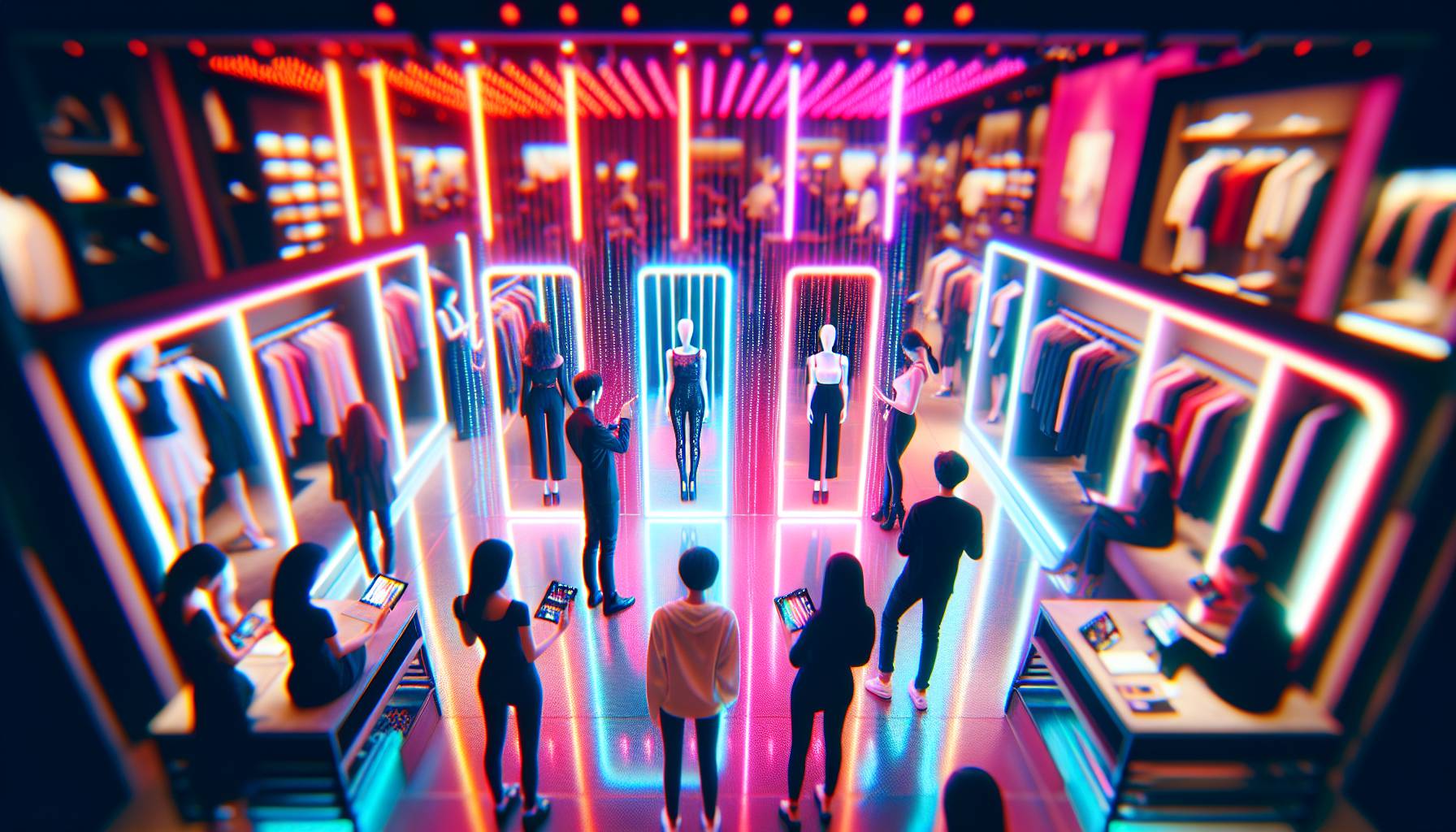
Picture this. You spot a stunning blazer online, but you’re unsure if it’ll flatter your frame. The colour looks perfect, but the cut makes you hesitant. The way I see it, this is where virtual try-on tools step in as heroes of the day.
There’s no denying that digital technology has made shopping for clothes a completely different experience than it was a decade ago. When it comes to online shopping, there’s always a risk that what you see is typically not what you get. But with virtual try-ons, you can see how your avatar, or even yourself if you upload a photo, look in that item you’ve been eyeing. Virtual try-ons are especially great if sizing is a concern because they use AI to map products onto your body shape.
It’s an interactive tool that directly addresses the doubts of shoppers and has led to more confidence in making purchases. Given how fast this technology is evolving, I can’t help but marvel at how close we are to bridging the gap between in-store and online shopping. A feature like this makes it easier for buyers to make decisions and be satisfied with their purchase after they receive it. It’s also great for retailers since it means fewer returns.
And while I do think virtual try-ons are a step in the right direction, they might still fall short when it comes to overall satisfaction since the physical feel of trying something on cannot be replicated online (yet). That being said, virtual try-ons are generally one of my favourite interactive features since they truly enhance shopper experience and allow customers to make more informed decisions about their clothing choices. With some practice navigating these tools and assessing what each retailer offers, shoppers can use these features to increase their satisfaction with online purchases.
Live Chat and Support: Building Trust Through Real-Time Interaction

You know the feeling - you’re halfway through an online checkout, have a slightly panicked question, and can’t find an answer. You hesitate. Brings To Mind do you leave the cart and search for answers.
Do you keep looking and get frustrated. Or does a little chat box pop up, someone says hello and asks if you need anything, and suddenly everything feels less stressful. That’s the magic of live chat.
And it’s not just a sales tool, it’s very much about creating trust. I’ve got to admit I used to avoid live chats. The pop-ups felt intrusive, the instant “Can I help you.
” put me on the spot, and I wasn’t convinced it was always a real person. But live chat technology has grown up - a lot.
These days they’re smart enough to only show up when you’ve been on the same page for a while or seem to be genuinely lost. Or the chat is there at the bottom of the screen, waiting if you need them but not pushing anything on you. It’s more like having a store assistant available if you need something - but not hovering around awkwardly while you browse. Live chat as an interactive feature is so much more than that now.
There’s messaging and voice notes (amazing if you don’t want to type out your whole saga), and even video chats with customer service experts who can show you exactly what button you should be clicking or how things work in real time. The whole point is that shoppers feel reassured that there’s someone available - a real human being - at any time. We’re talking fewer abandoned carts and greater chances of finishing checkouts here. It seems rather counter-intuitive that making your website easier to ask for help can end up with people needing less help overall (but that’s what happens).
If you’re looking to boost engagement through interactive features, support in real time shouldn’t be left out of your toolkit.
User-Generated Content: Leveraging Community for Authenticity
Comes Across As is there anything quite as annoying as being lied to. Being made to believe something is one thing, but once the rose-tinted glasses come off and the illusion is shattered, it’s hard to trust the people who doled out the lie. This happens to be why people often have a bone to pick with big fashion brands. Like, are you really “eco-friendly”.
Do your “chic” pieces actually last longer than trends last on social media. Are your products genuinely going to revolutionise how I feel about my body. This has put brands at an impasse – how do you show you mean what you say without getting accused of putting up a facade or wanting to make sales.
The answer lies in letting those who matter the most sell for you. Real buyers with real lived experiences using what your brand has to offer, talking about it on social media, and showing other potential buyers why they should try it too is a great way to build trust with a community. It’s not a celebrity whose job it is to sell things for a living; it’s someone who is just like every other buyer. Seems straightforward when you think of it like that.
But before jumping in head first, there are some considerations to make. For one, if a brand is encouraging real customers and everyday folks to buy their pieces and create content with them, they must ensure that what they’re putting out into the world lives up to expectations. At the end of the day, an open and honest community is also one that will call a spade a spade.
Not all user-generated content may be positive; customers may also use it as an avenue to air grievances that brands will have to take responsibility for. If you ask me, I think that would still be positive for the brand overall because it demonstrates accountability and transparency. People don’t need brands or products or people they can look up to – we’ve seen enough of that already. In today’s world, where true authenticity is more valuable than perfection, we want people and brands who are real.
And who better to tell us about their authenticity than the communities created by such businesses.
Interactive Product Demos: Showcasing Features in Engaging Ways

Ever tried to assemble one of those impossibly tiny furniture pieces - all on your own - after glancing at a single side of the product box. That’s probably how shoppers feel when they’re left figuring out how a product works just by looking at static images or generic descriptions. It doesn’t matter if it’s a complicated device or something as familiar as a pair of sneakers. These days, people like having more information before buying anything.
That’s why interactive product demos have grown more popular in the past few years. They’re especially helpful for gadgets, household items, beauty devices and fitness equipment that customers might not be able to try in person before ordering online. But they’re also fun ways to show off clothing, jewellery or anything else that shoppers need to examine up close and personal to fully understand the details.
Things that move, shine, click or glow often require special handling. There are different styles of interactive demos too. Some are pre-recorded videos with clickable “chapter” markers or hotspots that shoppers can select to jump right to the part they want to see.
Other types are controlled by AI but allow some personalisation where customers can input their characteristics and see what sort of features best suit their needs. An example is one of those virtual try-on tools that let people upload a photo of themselves and check what they’d look like in different coloured lipsticks or glasses frames. Or seeing which size yoga mat would better accommodate their height and weight.
What I’ve realised is that these demos aren’t just engaging - they’re informational in ways that static content isn’t. I think there’s only so much you can learn by reading about what a product does or seeing high-quality photos from different angles (though those certainly help). So interactive content acts as a bridge between being curious about a product and knowing enough about it to buy it confidently - whatever price point it falls under.